

It takes a kind of orchestration that is nearly imperceptible but significantly influences the entire event to serve two hundred guests with elegance. The task may seem daunting at first, but with careful planning, it becomes remarkably effective—almost like leading a silent symphony that moves with charm and purpose. Chefs who frequently prepare large-scale meals have recently drawn attention to the expanding nexus between aesthetics and functionality, pointing out that thoughtful service decisions can preserve an intimate feel at even the biggest gatherings.
| Key Considerations | Details | Reference Link |
|---|---|---|
| Guest Count | 200 guests typically require multi-station service for steady flow and refined presentation. | https://www.foodnetwork.com |
| Menu Priorities | Dishes must hold well, plate beautifully, and scale efficiently without losing quality. | |
| Staffing Needs | Additional hands significantly reduce delays, elevate plating, and maintain elegance. | |
| Presentation Goals | Height variation, fresh garnish, and balanced layout maintain sophistication even in volume. | |
| Service Style Options | Buffet with flair, food stations, or family-style service depending on tone. | |
| Cost Efficiency | Large-batch dishes like roasts, gourmet pastas, and vegetable sides remain surprisingly affordable. | |
| Dietary Coordination | Identifying restrictions early ensures smoother execution and notably improved guest satisfaction. | |
| Logistics | Clear traffic flow, strategic lighting, and precise timing keep service highly efficient. | |
| Event Type Relevance | Major celebrations such as weddings, anniversaries, and corporate dinners benefit from these strategies. |
Buffet-style service is still popular because it offers wide menu flexibility, consistent movement, and drastically shorter wait times. Hosts transform a well-known system into something noticeably better by setting double-sided lines and enhancing chafing dishes with clean linens and shiny utensils. Both guests and planners value the independence and speed, especially when the evening contains poignant moments that call for precise timing. I once heard a renowned planner from Beverly Hills refer to her buffets as “moving galleries,” which seemed particularly accurate to me as I watched guests move serenely from dish to dish in dimly lit settings.
A completely different vibe is created by food stations, which entice guests to move around the space with the same interest typically saved for cocktail parties. Hosts can create experiences that feel both interactive and controlled by utilizing creative setups, such as a carving station illuminated by warm lamps or a pasta bar swirling with fresh herbs. These stations are positioned strategically to reduce traffic and establish natural conversational huddles. These stations serve as storytelling tools for milestone celebrations like anniversaries or cultural ceremonies, discreetly tying food to customs or individual recollections.
Family-style dining brings coziness that appeals to get-togethers that are based on unity. Large platters passed between tables promote conversation, and the shared experience is especially useful at gatherings where attendees might not be familiar with one another. Although maintaining a clean format requires coordinated efficiency from the service staff, the payoff is enormous because the tablescape appears festive and plentiful. Last year, Bradley Cooper hosted a private dinner following the release of a movie. His team used family-style service to create a heartfelt and grounded atmosphere, demonstrating once more how food affects emotional tone.
Menu selections need to balance scalability and refinement in a nearly mathematical manner. Roasts cooked slowly, chicken brushed with herbs, and pasta that doesn’t solidify under pressure are still very adaptable choices that taste great. Potato bars, composed salads, and roasted vegetables are examples of side dishes that provide a variety of options without going over budget. Additionally, these dishes hold up well in warming setups, guaranteeing consistency from the first to the two hundredth plate. When a famous caterer once told me, “Your best dishes should look good even when tired,” I immediately realized how presentation is the focal point of the whole event.
In many cases, appetizers serve as the opening notes, establishing the tone for the rest of the meal. Clean flavors that scale effectively and transport well are delivered by small bites like stuffed mushrooms or Caprese skewers. Chefs relied heavily on these low-contact, handheld options during the pandemic when events moved outside because they were incredibly durable and maintained their aesthetic appeal even after prolonged use. Those practices are still in place today because they combine functionality with understated elegance.
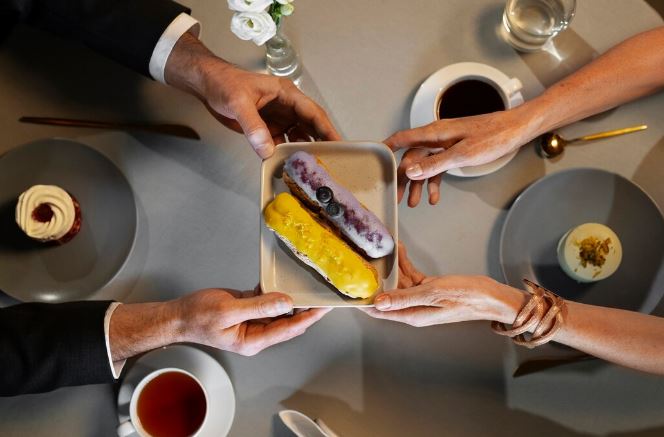
Another opportunity to improve the mood is during dessert. Dessert stations add a playful element that guests immediately enjoy, and mini tarts, cookies, and brownie bites look elegant when arranged with varying heights. For example, an interactive ice cream bar has a strong emotional impact while feeling surprisingly inexpensive. Even basic desserts can feel festive by incorporating thoughtful lighting and a fresh garnish. Dessert presentation frequently creates the last emotional memory guests take home, according to many planners.
Preparation is crucial to execution. Including thorough timelines helps hosts keep a rhythm that reduces anxiety and increases productivity. Staff assignments are crucial; someone has to manage the transitions between food moments, refill stations, and clear plates. The event flows naturally, almost like a choreographed sequence that happens without obvious effort, when roles are assigned clearly. Caterers frequently claim that while careful planning conceals itself entirely, poor planning manifests itself right away.
Dietary coordination is still a crucial component. Hosts guarantee inclusivity that feels considered rather than required by gathering restrictions early and labeling dishes with exceptional clarity. When dishes are confidently marked, guests with dietary restrictions or allergies frequently express gratitude, and planners observe that this kind of attention to detail greatly lessens confusion during peak service hours. It turns into a silent sign of respect that is delicately incorporated into the encounter.
Most people don’t realize how important flow design is. Hosts avoid bottlenecks, which frequently impede momentum, by putting drinks in corners or distinct alcoves. Disguised trash cans hidden behind flower arrangements keep things tidy without detracting from the aesthetic appeal. Lighting also affects the mood; brighter areas close to seating areas guarantee comfort, while gentle glows near buffets and stations produce a refined ambiance. I immediately grasped the analogy when a New York event designer once likened lighting placement to “brushing hair away from the face to reveal expression,” as it encapsulated elegance without being overly complicated.
An event’s sense of calmness or chaos is frequently determined by its staffing requirements. Although having more hands might seem like a luxury, they are frequently very effective investments that yield progressively more pronounced returns. The experience feels well-coordinated because plating, bussing, and station oversight are assigned. Many chefs remember banquet shifts where a lack of staff caused chaos, highlighting how crucial the team is to achieving beauty at scale. More employees translate into more seamless pacing and higher levels of guest satisfaction, according to hosts.
Despite being in the background, cost factors have an impact on every decision. When ingredients are used in multiple courses, large-batch dishes like lasagna, spaghetti, roasted vegetables, and composed salads can be surprisingly inexpensive. Grilled proteins, baked potato stations, and chili bars all successfully stretch budgets without sacrificing presentation. These options are frequently highlighted in Reddit threads populated by home cooks and caterers, who point out how they simplify logistics while still feeling abundant.
Intentionality, not extravagance, is the source of elegance. No matter how many people attend, the evening feels elegant when the staff moves with purpose, the dishes maintain their integrity at scale, and the service styles match the dynamics of the guests. Large gatherings flourish when organizers view logistics as an aesthetic component, understanding that elegance frequently stems from organization. Creating an ambiance where each plate, every moment, and every gesture adds to a shared experience that feels carefully planned and exquisitely executed takes precedence over volume when feeding two hundred guests.
