

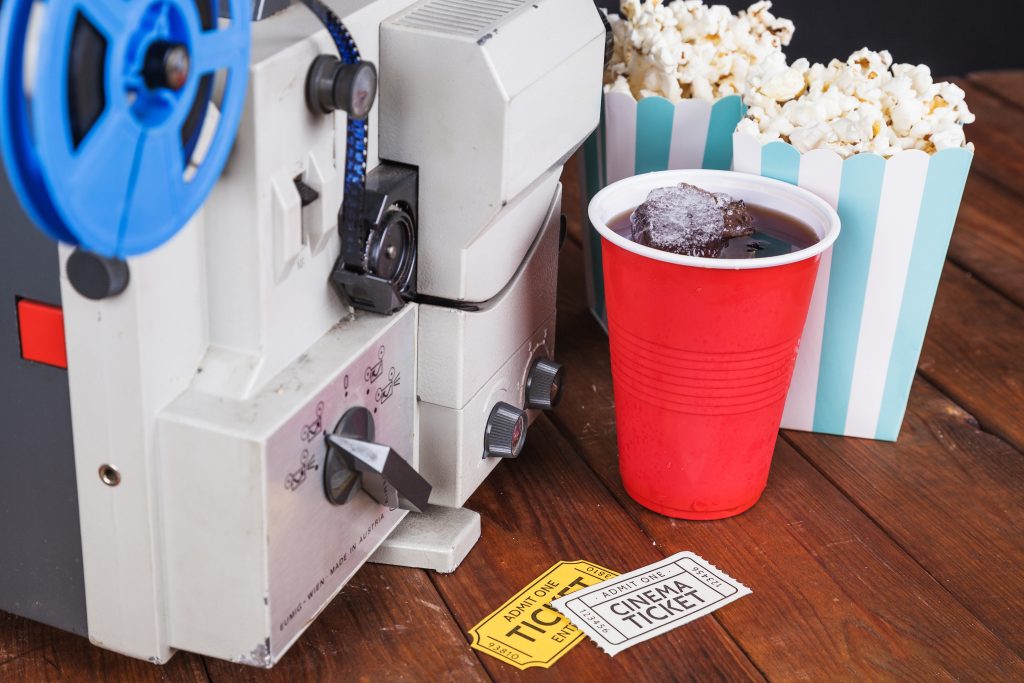
Before the heat builds, there is a gentle mechanical hum. What’s about to happen is subtly hinted at by that familiar sound, which sounds like a vintage carnival ride just waking up. Even before the first kernel pops, anyone who has used a Nostalgia Popcorn Maker is aware of the excitement it creates.
These devices, which are frequently designed to resemble vendor carts from the early 20th century, are more than just appliances. They serve as useful décor, conversation starters, and sometimes the focal point of a Friday night at home. Unlike microwave bags, they evoke something much more tactile.
| Feature | Description |
|---|---|
| Brand | Nostalgia Products |
| Common Models | CCP-510, KPM200, NAHP521RW, SP300RETRORED |
| Heating Method | Hot oil or hot air, depending on the model |
| Power Source | 120V/60Hz outlet (standard US household current) |
| Capacity | Typically pops 2 oz to 8 oz of kernels per batch |
| Cleanup Method | Wipe with damp, non-abrasive cloth; never immerse the kettle in water |
| Use Case | Ideal for home movie nights, family gatherings, or nostalgic party settings |
| Instruction Manual | Available at nostalgiaproducts.com |
But it takes more than simply turning on a switch to get started. The methodical nature of the process may surprise new users. The kettle needs to be positioned correctly in its bracket, the motor plug needs to be firmly inserted into the chamber, and the whole setup needs to be stable—ideally on a level, open counter away from clutter or moisture.
A silent but essential step is preheating. The kettle needs to warm up for three to five minutes in order to reach its ideal temperature; skipping this step frequently results in uneven popping. This step guarantees that each batch of oil-based models, such as the CCP-510, bursts with that distinctive golden hue and crisp texture.
Next is the measurement. The machines typically come with a spoon and tiny cup—basic but necessary tools. The ideal ratio is one tablespoon of oil to two ounces of kernels. This makes enough popcorn to fill a medium bowl, or about eight cups. Until the first batch overflows, this proportion might appear modest.
You can see how the oil evenly coats the bottom after adding it. After that, the kernels bounce a little before settling. The popping starts a few seconds after you flip the switch once more. It begins slowly and develops into a percussion rhythm that fills the space with sound and aroma.
It is oddly satisfying to watch the flaps of the kettle rise as popcorn spills out. Even though it’s not as dramatic as fire, there’s an unspoken satisfaction in watching each kernel change.
Last winter, I used the machine for the first time in weeks on a very quiet evening. My daughter entered the kitchen at the sound alone, drawn by memory rather than hunger. That brief encounter made me realize why people continue to follow such customs.
It’s time to turn the unit off when the popping stops. This is an important step. The kettle’s tiny moving parts will only be unduly worn down if the motor is left running after the popping has stopped. In the rush of serving, many users overlook this.
While cleaning isn’t hard, it does take effort. Use a non-abrasive cloth to clean the exterior and interior. Water should never be used directly on the kettle. Rather, pour hot, soapy water into it halfway and leave it for 15 to 20 minutes. This easy soak prevents the machine from smoking during the subsequent use and releases oil buildup.
When the kettle begins to smoke while popping, it usually indicates that cleaning was neglected. The smell of burnt oil and a slight haze are a clear indicator. Thankfully, that can be easily fixed with a gentle scrub and a deeper soak.
The procedure is noticeably cleaner for those who use air-popper models. Grease is absent when there is no oil. Health-conscious consumers frequently choose these models because they are very effective for quick snacks. However, they don’t have the decadent taste that the oil-based versions effortlessly provide.
The convenience of the air-poppers makes up for their lack of richness. It takes less time to set up. Less needs to be cleaned. Additionally, seasonings added after popping can still produce a layered experience for those who like to experiment.
Nostalgia provides a variety of options, from tall cart-style machines to countertop units, but the fundamental purpose is always the same. Clean thoroughly, measure carefully, and heat the kettle. It’s a routine that comes naturally to you.
The built-in storage spaces on some models are one feature I’ve grown to value. The machine feels like a self-contained station when the scoop, spoon, and small bag of kernels are tucked away. especially helpful at gatherings where counter space is limited.
Beyond the sound and smell, what is most notable is the way these machines produce pause. They ask you to wait in a digital culture that moves quickly. Only a few minutes, but long enough to make an impression. A discussion. A recollection.
You wouldn’t expect an appliance to do that. And yet here it is, charming, a little theatrical, and incredibly successful at attracting attention.
Inadequate setup is often the biggest obstacle for novices. The machine won’t heat if the kettle isn’t properly seated or if the internal plug isn’t plugged in. This is mentioned in the instructions, but you can only experience the physical sensation of clicking the kettle into place with practice.
These machines have a good lifespan when properly maintained. The metalwork is still solid. When properly cleaned, the internal parts last for many years. However, over time, especially with frequent use, components like the kettle’s hinge or motor plug may become loose. Simple upkeep, like tightening screws and cleaning residue, makes a big difference.
Nostalgia markets these devices for more than just their usefulness. They are made to be seen. to serve as a visual and olfactory reminder of late-night movie theaters, carnivals, and neighborhood gatherings where popcorn was more than just a snack.
Perhaps the real value lies more in the meaning we ascribe to them than in the mechanics. The instructions become an invitation rather than a manual when a machine produces something so recognizable and cozy.
A request to slow down. To assemble. To impart something straightforward but fulfilling.
Additionally, don’t worry if you accidentally burn a batch or forget to clean the kettle once. It sticks because it is repeated, just like any other ritual. The machine eventually teaches you. By doing this, it transcends nostalgia and becomes yours.
