

As far as I could tell, the man in white gloves at the most recent opulent wedding I went to was solely responsible for giving you a cold towel during the ceremony and cocktail hour. The vows are not as vivid in my memory as the towel. I’m not sure exactly what that says, but it probably says something.
It was lovely, as these things are always lovely. Cliffside venue, string quartet during the processional, a florist flown in from somewhere expensive. The bride wore a dress that had been fitted three times in two different cities. Everyone reported that it was the most beautiful wedding they had ever attended. I also said it. None of us really meant it the way we believed we did.
I can’t even begin to count how many of these I’ve endured over the past few years. Monogrammed slippers and welcome bags. The couple’s dog inspired the creation of unique cocktails. footage from a drone. tastings of ten courses. It seems like every wedding is vying for the same dozen Instagram tags these days. There’s an odd homogeneity to it, a kind of luxury uniformity. The orchids cease to catch your attention. Really, you cease to notice anything.
Then something changed in me last month when I attended a wedding outside of a small town I had never heard of, in the backyard of a friend’s parents. A church provided the chairs for rent. Three aunts and a smoker who had been running since dawn provided the food. As the bride gave me a warm greeting and casually mentioned that she applied her own makeup, I was reminded of a recent Substack essay I had read about a woman who had done the same and felt more like herself as a result.
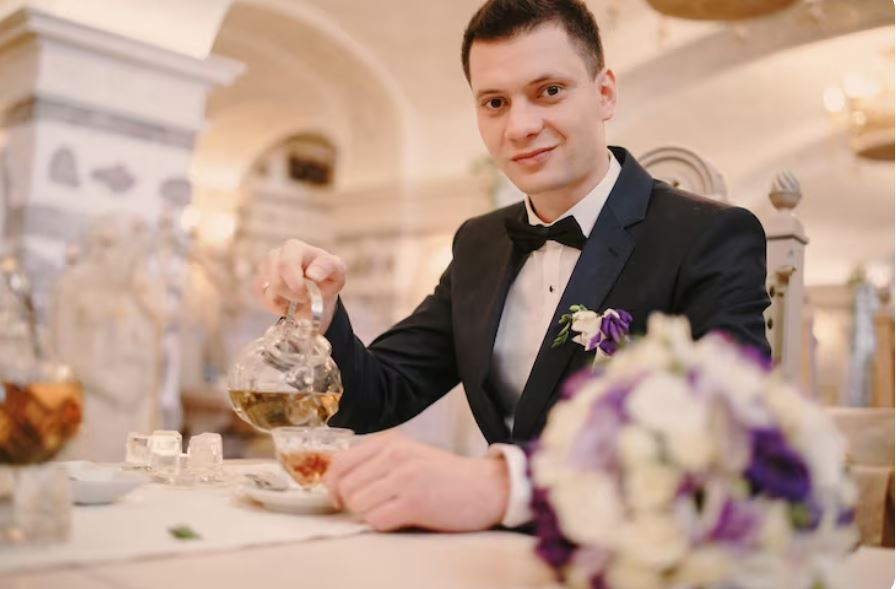
Lately, there has been a lot of writing about luxury shame, or the peculiar guilt of overspending in a single day. The question of why we feel so strange about it, even when we can afford it, has been raised by off-the-beaten-path publications for some time. I believe that the answer is more about meaning than it is about money. The events themselves have begun to feel like products because the luxury wedding industry has become so adept at creating perfect events. Exquisitely crafted, expertly lit, and emotionally neutral.
This wedding in the backyard wasn’t flawless. During the first dance, the speakers stopped. During the vows, a toddler wandered into the aisle. The cake had a slight leftward tilt. I’m still thinking about it, though. Everyone, including the caterers, started crying when the groom’s grandmother made a toast. Nobody wanted to leave, so people stayed until two in the morning. When something is actually happening in front of you, there’s a sense that no production budget can replicate.
The question of whether the wedding industry has overcorrected is difficult to ignore. Whether we’ve confused presence with presentation and investment with intention. One year after getting married, the couples I know who spent the least money seem to be the happiest, though that might just be a coincidence. Or perhaps it’s something we’re just starting to publicly acknowledge.
As I watched the bride at that backyard wedding, barefoot by midnight, laughing at something her brother said, I was reminded of Sophia Richie in the South of France and Amal Clooney in Annie Leibovitz’s photographs, and how none of them looked nearly as alive as this.
