

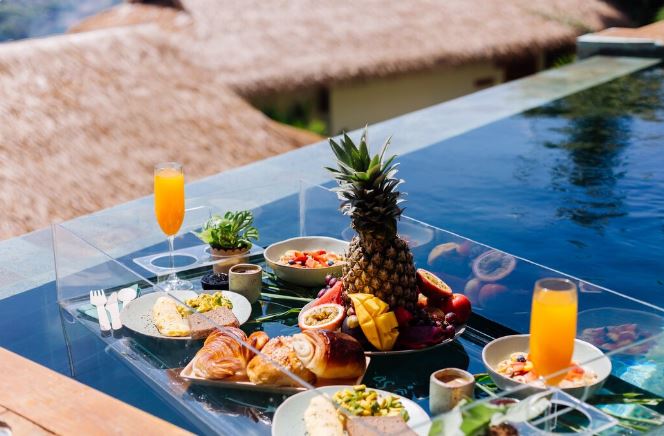
As edible landscapes where guests hover and converse, grazing boards have emerged as the most noticeable symbol of contemporary summer ceremonies. Their visual abundance—artfully arranged cheeses, cured meats, olives, honeycomb, and summer fruits—makes them remarkably similar to carefully curated exhibits intended for both tasting and photography.
| Category | Key Information |
|---|---|
| Theme | The Most Requested Dishes at Summer Ceremonies |
| Seasonal Focus | Fresh, light, interactive, globally inspired foods |
| Top Appetizers | Grazing boards, Caprese bites, chilled soup shots, deviled eggs, Indian chaat |
| Top Mains | Gourmet BBQ, seafood on cedar planks, wood-fired pizza, interactive taco and poke stations |
| Top Desserts & Drinks | Ice-cream/gelato bars, Eton mess, mini-desserts, Pimm’s and elderflower spritz stations |
| Social Drivers | Celebrity chefs, social media visuals, sustainability, experiential dining |
| Cultural Touchpoints | Kaiseki-style seasonality, Neapolitan pizza craft, street-food revival |
| Reference | https://www.bbcgoodfood.com |
Caterers report that the portability and bold dressings make skewers—which include chicken, halloumi, shrimp, and marinated vegetable kebabs—a highly effective solution for events where mobility matters. This allows guests to socialize and eat while standing without the awkwardness of balancing plates.
In addition to satisfying the summertime craving for cooling starters, chilled soups served as sophisticated “shots,” such as gazpacho or cucumber-yogurt blends, also minimize waste by providing concentrated portions that are remarkably effective at cooling palates in between heavier dishes.
With creative toppings like smoked paprika, trout roe, and basil oil, deviled eggs have made an unexpectedly fashionable comeback. These toppings turn a classic dish into a contemporary appetizer that will delight older guests with their nostalgic appeal while surprising younger palates with flavors from today’s world.
Small handheld bites offer a sensory jolt that is especially helpful when hosts want to introduce international flavors without formal plated service. The popularity of Indian chaat, pani puri, and other street-food favorites at ceremonies indicates a wider appetite for interactive flavors.
In addition to traditional burgers, gourmet barbecues—now rebranded as nuanced grilling programs—offer marinated tofu steaks, lamb koftas with minted yogurt, and cedar-plank salmon. By expanding the grill menu, hosts can satisfy meat eaters, vegetarians, and pescatarians in equal measure.
Taco bars, poke counters, and burrito builders are examples of interactive food stations that serve as centers of participation rather than just feeding stations. This makes dining a social activity where guests confidently create their own plates and, in doing so, contribute to the event’s memory by sharing the assembly ritual.
Seafood continues to be a mainstay of summertime requests: poached salmon served with seasonal greens, charred prawns, and delicate ceviches all draw from coastal eating customs and benefit from quick cooking times that preserve freshness and greatly lower the risk of heavy, sluggish digestion on hot days.
Arriving mid-reception, wood-fired pizza vans capitalize on the rapidly expanding demand for late-night, social dining by serving blistered Neapolitan-style pies that are straightforward, incredibly adaptable in terms of toppings, and remarkably effective at maintaining a party’s energy level.
Plant-based main courses, such as cauliflower steaks, lentil-stuffed veggies, and jackfruit tacos, are now mainstays rather than specialty options, demonstrating a trend toward sustainability and culinary innovation that is especially creative in how chefs extract rich flavor from seasonal produce.
Dessert trends at ceremonies tend to favor small-format indulgences: ice cream and gelato bars offer a tactile, nostalgic delight that is surprisingly inexpensive to stage and consistently popular across age groups, while mini tarts, mousse shots, and dessert grazing tables allow guests to sample multiple sweets without feeling overfull.
With elderflower spritzers, Pimm’s counters, and hibiscus lemonades offering guests customizable aromatics—fresh herbs, citrus wheels, and edible flowers—that complement lighter summer dishes elegantly and provide a refreshing alternative to standard bar lines, beverage stations have transformed into botanical ateliers.
Anecdotes from caterers in London, Los Angeles, and other regional centers show a recurring trend: couples and hosts are increasingly asking for menus that tell a story, such as highlighting family recipes, provenance, or a location that holds special meaning for them. These menus are significantly more memorable than standard buffet arrangements.
Expectations from guests are still shaped by celebrity influence; televised masterclasses and chef interviews have normalized higher culinary standards, enticing hosts to hire private chefs or request signature dishes influenced by chefs like Jacques Pépin or modern restaurateurs who prioritize technique and seasonality.
With menus built around tomatoes, stone fruits, zucchini, and samphire, seasonality is treated as an editorial mandate. By planning dishes around what is at its ripest, chefs can create dishes that taste more cohesive, have a noticeably better texture, and need fewer heavy sauces to succeed.
Sustainable salmon, locally grown heirloom tomatoes, and ethically raised lamb are examples of sourcing discussions that have transitioned from niche to mainstream. As a result, many ceremonies now ask for ingredients to be clearly labeled, which is especially advantageous for small producers and indicates that guests are becoming more interested in where their food comes from.
Ceviche, carpaccio, and saganaki paired with watermelon are examples of classic preparations that have been revived to show how culinary memory and innovation can coexist. These dishes frequently include contemporary elements like compressed fruit components or micro-herb garnishes that enhance flavor while maintaining a playful presentation.
Menu creativity is influenced by equipment selections: live grilling stations, cold-smoking rigs, and mobile pizza ovens allow chefs to create excellent results on-site, providing guests with an instant sensory experience—aroma, sizzle, and crackle—that is incredibly dependable at fostering a friendly atmosphere.
Additionally, design plays a part. Dessert tables and grazing boards are set up to promote movement and conversation, and when flowers, wooden boards, and artisanal vessels are carefully paired, the entire experience feels planned rather than spontaneous, which pleasantly elevates guests’ perception of the event.
Fijian ceremonial drinks, Japanese attention to seasonal small plates, and Naples pizza standards are examples of culturally informed cuisine that has become a point of reference for hosts who wish to combine accessibility and authenticity while drawing inspiration from long-standing customs without claiming rigid orthodoxy.
Modular service models, which are very effective for staffing and logistics, have become popular in the catering industry due to the demand for varied, customizable menus. These models enable teams to quickly switch between plated service, passing hors d’oeuvres, and interactive stations depending on the flow of guests and the tempo of the event.
These changes have wider social ramifications: ceremonies now serve as marketplaces for cross-cultural interactions where foods serve as messengers, introducing flavors, raising queries, and stimulating social curiosity. This promotes inclusivity and opens palates to new customs.
Chefs are experimenting with fermentation, preserved fruits, and low-impact proteins while keeping the light, seasonal focus that makes summer ceremonies feel celebratory rather than heavy. As we look to the future, expect menus to become even more experiential and sustainably minded.
In the end, the most popular dishes at summer ceremonies are successful because they strike a balance between functionality and enjoyment; they encourage participation, honor ingredients, and create moments that linger—on plates, in photos, and in memory—giving hosts a clear way to create events that are simultaneously sophisticated, emotionally impactful, and forward-thinking.
